



The evolution of Sapa hospitality through cultural roots
Nestled in a realm where mountains whisper folklore and clouds linger like soft veils, Sapa has metamorphosed from a colonial hill station into a cultural sanctuary. The story of Sapa hospitality is not merely one of industry, but one of identity – a tapestry of ethnic tradition, heartfelt connection, and intentional renewal. As modern travel continues to seek deeper, more meaningful encounters, Sapa emerges not just as a destination, but as a dialogue between the past and the present.
Understanding the foundations of Sapa hospitality
At the heart of Sapa hospitality lies a profound reverence for cultural integrity. The H’mong, Dao, Tay, and Giay peoples do not simply inhabit this landscape; they shape its spirit. Long before the concept of commercial tourism arrived, these communities had mastered the art of genuine hosting. Guests were embraced not as clients, but as kin offered tea infused with mountain herbs, nourished with foraged meals, and enriched with tales echoing through generations.
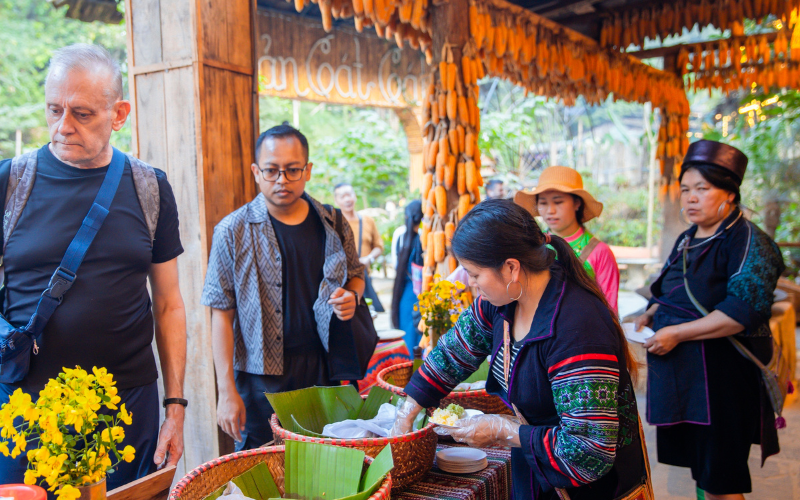
This ethos of familial warmth and deep cultural pride continues to infuse today’s Sapa hotels and homestays. The result is a form of hospitality that is less transactional and more transformational, inviting guests to partake in lived heritage rather than simply observe it.
From colonial retreat to cultural destination
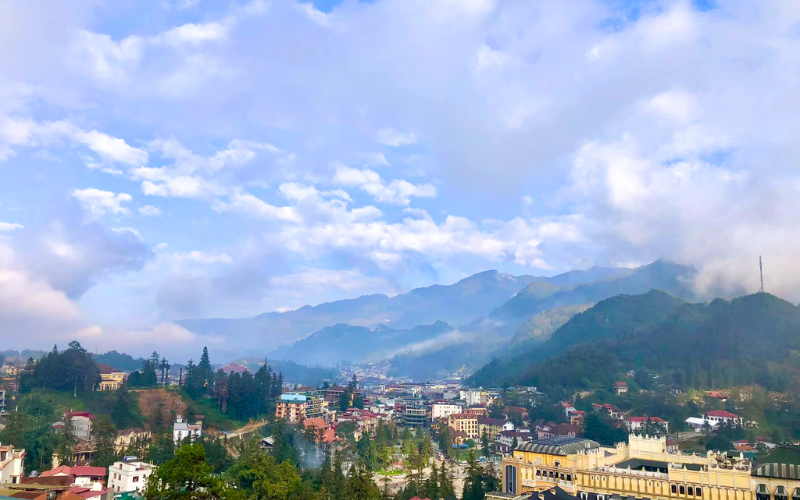
Once a serene escape for French colonists seeking reprieve from the tropics, Sapa’s early developments bore European architecture and Western sensibilities. Yet, this initial phase was detached from the soul of the mountains it occupied. With the passage of time and the reawakening of national identity, Sapa began to reclaim its narrative.
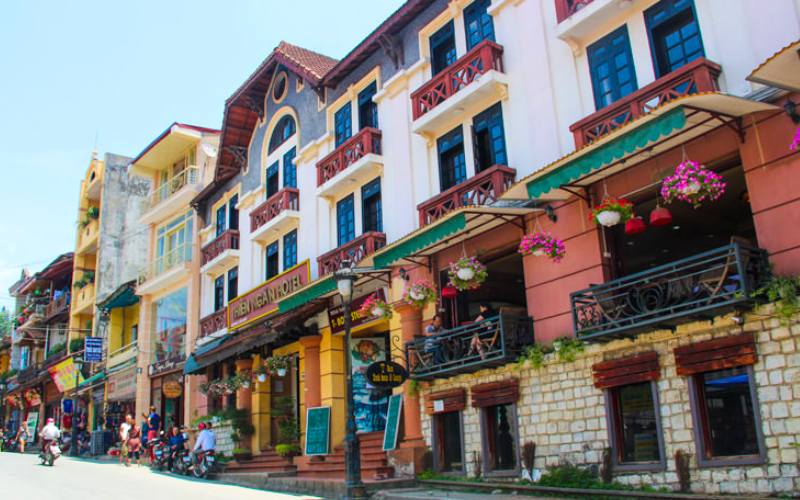
In recent decades, this reclamation has accelerated. No longer defined by imported aesthetics, Sapa tourism now celebrates what is inherently local. Today, visitors come not only for panoramic views and crisp air, but for soulful exchanges and immersive cultural discovery. This evolution has turned Sapa hospitality into a vibrant expression of both remembrance and renewal.
How local traditions shape Sapa’s guest experience
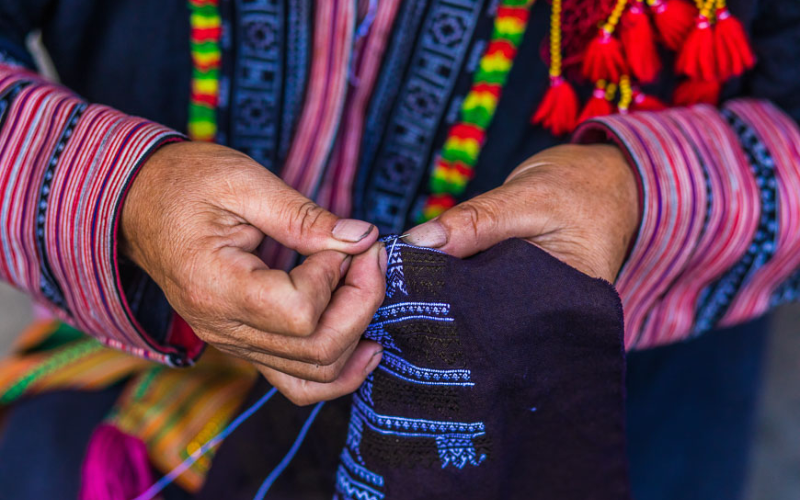
Every gesture in Sapa hospitality is steeped in symbolism. The Dao’s welcoming chants, the meticulous weaving of the H’mong, the seasonal rituals of the Tay, these are not mere attractions; they are acts of cultural preservation. Guests become participants in centuries-old customs, gaining insight not only into lifestyles, but into worldviews.
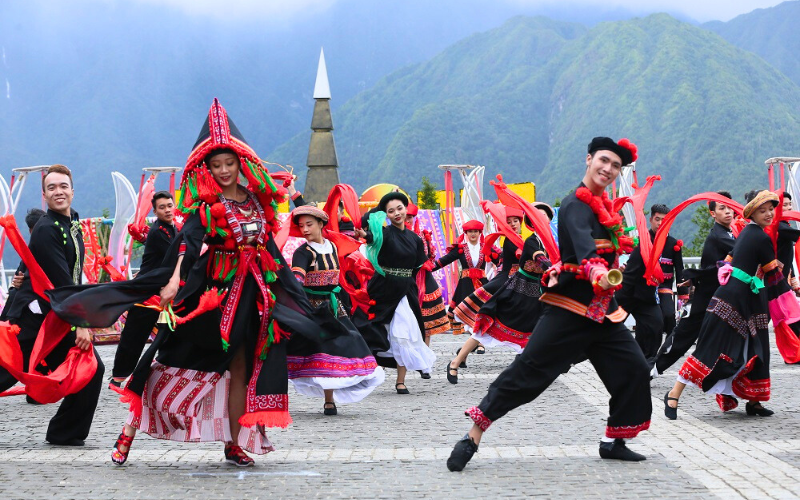
The rise of authentic ethnic experiences in Sapa is more than a trend, it is a form of cultural storytelling. Homestays built from native wood, dishes seasoned with heirloom herbs, and evenings spent by the fire with village elders all contribute to an experience that is as enriching as it is humbling.
The rise of boutique hotels and heritage-inspired stays
In response to discerning travelers who crave substance over spectacle, boutique hotels in Sapa have embraced an architectural and philosophical shift. Constructed with indigenous materials and guided by vernacular design, these spaces offer more than comfort they offer context.
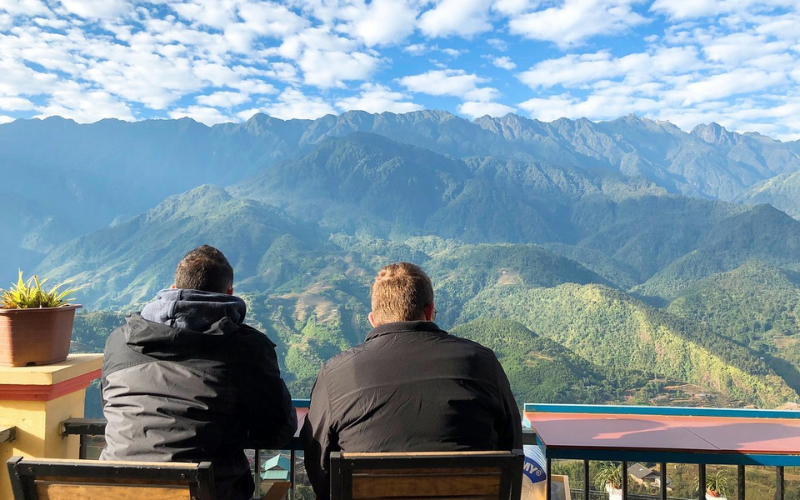
Heritage-based boutique hotels in Sapa are increasingly run by or in collaboration with local communities. These venues highlight not only refined aesthetics, but authentic narratives. Guests are not just served; they are guided through a cultural immersion by staff who are both hosts and storytellers. Here, the evolution of Sapa hospitality industry becomes a symphony of tradition and innovation.
Sapa hospitality meets sustainable travel trends
In an era defined by ecological urgency, Sapa has become a model for sustainable tourism. Many Sapa hotels and homestays now operate with a deep sense of environmental stewardship. From solar-powered amenities to zero-plastic policies, the commitment to sustainability is not just strategic – it is moral.
Local sourcing, community farming, and support for artisanal cooperatives are increasingly common. These initiatives not only reduce environmental footprints but also reinforce economic resilience within ethnic communities. Through such sustainable hospitality practices in Sapa, every guest interaction becomes a vote for responsible tourism and equitable growth.
The role of ethnic communities in modern hospitality
Ethnic minorities are not just passive symbols of Sapa culture – they are active participants in shaping its hospitality future. Local communities now co-design tourism experiences, manage homestays, and curate cultural activities.
The growing number of travel packages featuring trekking with local guides, traditional weaving workshops, and language exchanges underscores the role of these communities. Their involvement guarantees that authentic ethnic experiences in Sapa are not commodified but respected and preserved.
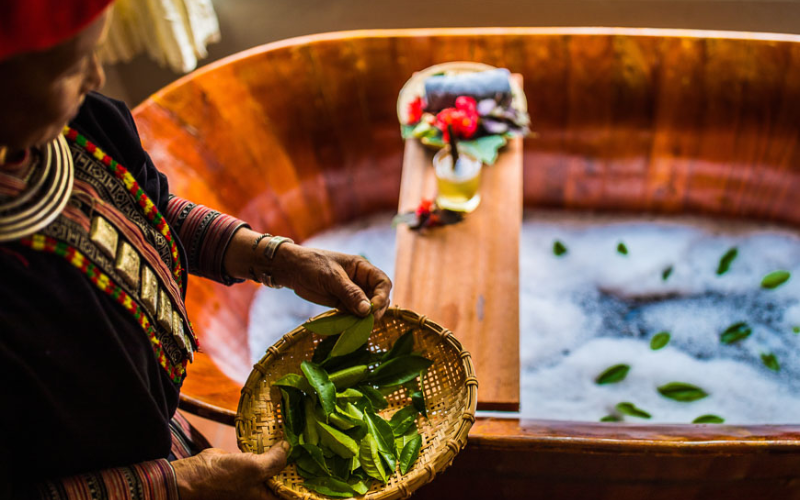
Furthermore, education and training programs tailored for ethnic youth are helping build a skilled workforce that can engage confidently with global guests, offering both cultural insight and professional service. This grassroots empowerment reflects a more inclusive and culturally grounded model of Sapa hospitality.
Authenticity and storytelling in Sapa guest services
In a world of generic hotel experiences, Sapa hospitality stands out for its embrace of storytelling. Every aspect of the stay – from room design to food presentation – is an opportunity to tell a story rooted in local lore and legacy.

Guests at Sapa hotels might find menus describing the origin of traditional dishes, or rooms named after historical villages and tribal customs. Staff often share personal anecdotes, giving context to rituals, festivals, and beliefs. This focus on storytelling turns a simple stay into an immersive cultural experience.
This approach strengthens the bond between hosts and guests while fostering respect for Sapa heritage. It also helps travelers appreciate the living nature of local traditions, far beyond what guidebooks can offer.
The future of Sapa hospitality: Culture, comfort, and conversation
Looking ahead, Sapa hospitality is poised to continue its evolution with a focus on balance – between past and future, comfort and authenticity, growth and preservation. As Sapa travel expands, the challenge will be to maintain cultural integrity while meeting the expectations of modern travelers.
Emerging trends suggest that future developments will emphasize wellness tourism, slow travel, and even deeper cultural immersion. New-generation Sapa hotels may include meditation retreats led by local healers, digital detox programs, and farm-to-table dining based on tribal farming calendars.
Importantly, the future of Sapa hospitality will depend on collaboration: between government, tourism developers, local communities, and travelers. Policies that protect the environment and empower indigenous voices are essential. So too is the mindset of the visitor – one that values culture not as a commodity, but as a conversation.
Sapa hospitality as a cultural journey, not just a destination
The evolution of Sapa hospitality industry is a story of resilience, renewal, and reverence. From colonial vestiges to community-run sanctuaries, the region has emerged as a beacon of culturally conscious and sustainable tourism. As Sapa hotels become curators of tradition, and as locals reclaim their narratives, this destination sets a compelling precedent for the world.
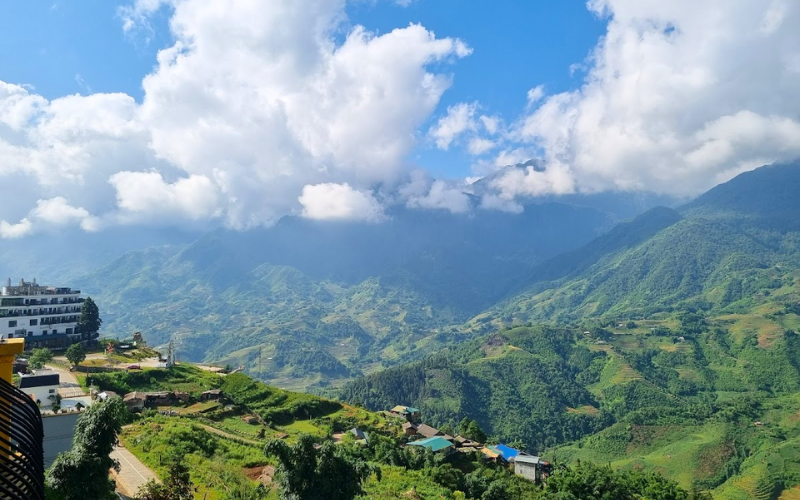
As Sapa travel continues to enchant, its greatest treasure remains its people – custodians of ancient rhythms and hosts of timeless warmth. Whether you’re traversing terraced hills, soaking in herbal waters, or weaving dreams beside a village hearth, each moment in Sapa is a dialogue with something enduring.
So let your next journey transcend sightseeing. Let it be an embrace of culture, a tribute to heritage, and a celebration of our shared human story. That is the essence and the promise of Sapa hospitality.
Related Articles

French architecture in Sapa – Colonial heritage amidst the Vietnam’s Northern highlands
Discover Montmartre Paris – Art, History, and Romantic Charm


