



Sapa culture with stories of ethnic life and traditions in the Northern highlands
Sapa, nestled in Vietnam’s Hoang Lien Son mountains, is more than a scenic spot. It’s a profound testament to Sapa culture, a vibrant expression of the resilience and traditions of its diverse ethnic communities. From terraced rice paddies to bustling markets, Sapa echoes with the narratives of its people and their deep connection to this dramatic landscape.
To truly grasp Sapa culture is to step into a world where ancient customs are preserved, intricate crafts passed down, and life rhythms intertwined with nature. It’s a journey into the very soul of the Northern highlands.
Discovering the heart of Sapa culture
The essence of Sapa lies in its profound Sapa culture. Here, you witness the daily routines and ceremonial practices of groups like the Hmong, Dao, Tay, Giay, and Xa Pho. Each community adds unique nuances to the broader Sapa culture, distinct in language, dress, cuisine, and spiritual beliefs.
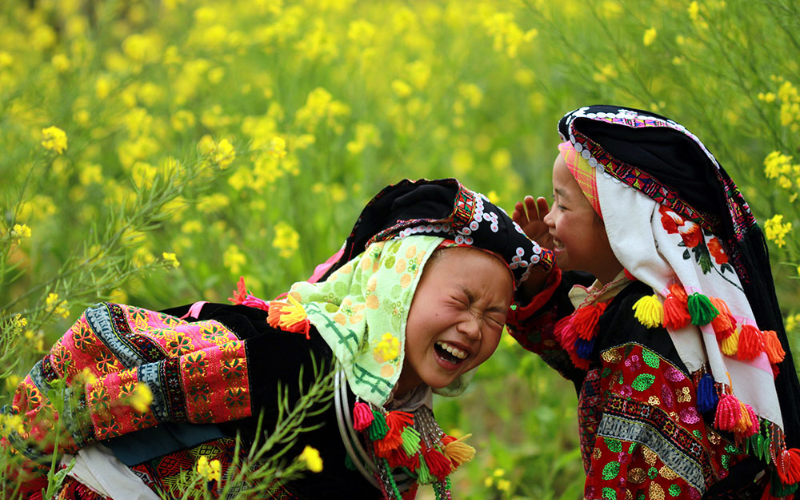
The vibrant atmosphere, especially during market days, offers a captivating insight into the commercial and communal hub of Sapa culture. Here, goods are bartered, news shared, and bonds reinforced. Understanding Sapa culture is vital for appreciating this region’s charm and authenticity.
Ethnic life and daily traditions in the Northern highlands
Ethnic life in Sapa embodies adaptation, tradition, and ingenuity. Their daily life in Northern highlands is shaped by challenging terrain and subsistence farming. Visitors often note the industriousness and close-knit nature of these communities, where every member plays a vital role.
This intricate web of relationships forms a foundational pillar of Sapa culture. They live in harmony with their environment, with practices deeply informed by the land and its seasons.
Traditional occupations of ethnic communities
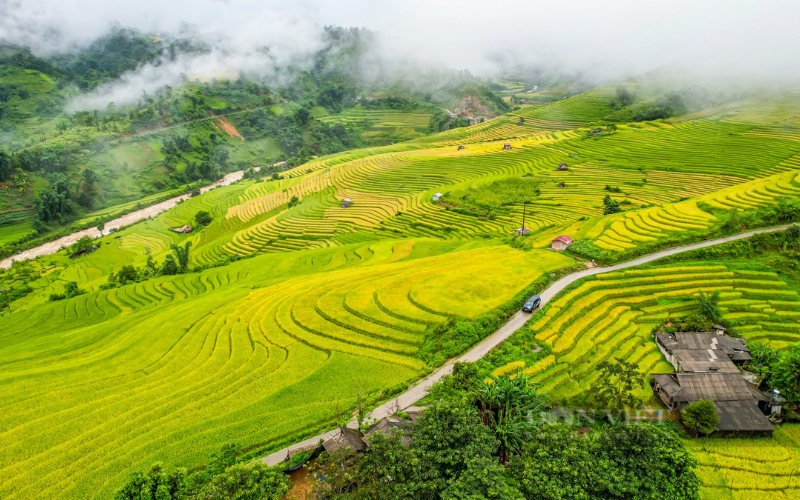
The bedrock of ethnic life in Sapa has historically been agriculture, specifically the assiduous cultivation of rice within the iconic terraced fields. These terraces, meticulously sculpted into the sheer mountain gradients, represent not merely a testament to their extraordinary engineering prowess but also symbolize their harmonious rapport with the land, a cornerstone of Sapa culture.
Sapa’s enduring handicrafts
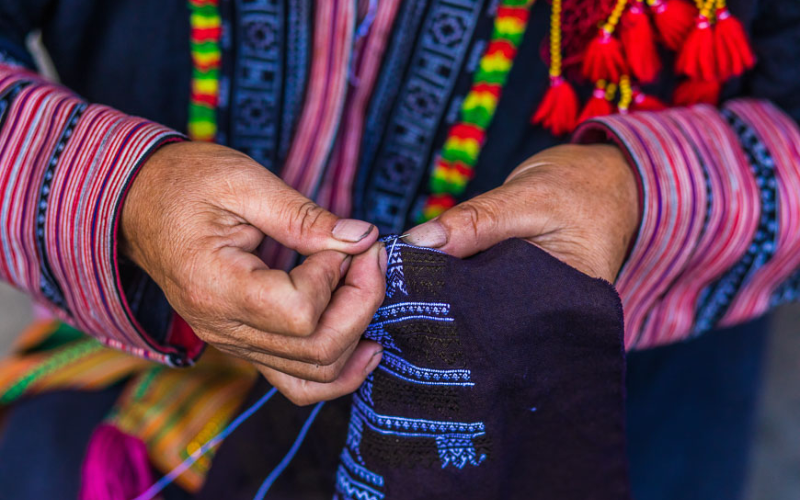
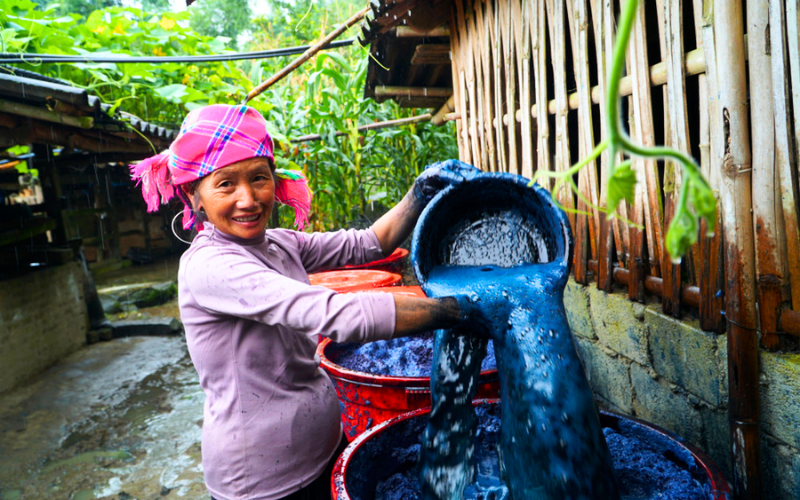
Traditional handicrafts also hold paramount importance to their economic sustenance and cultural identity. The Hmong are widely celebrated for their adeptness in indigo dyeing and the creation of intricate batik patterns, a complex process passed down through generations. Conversely, the Red Dao are renowned for their resplendent embroidery, often using vivid red, yellow, and green threads to create geometric and symbolic motifs on their garments, showcasing another intricate facet of Sapa culture.
Daily life and family structures
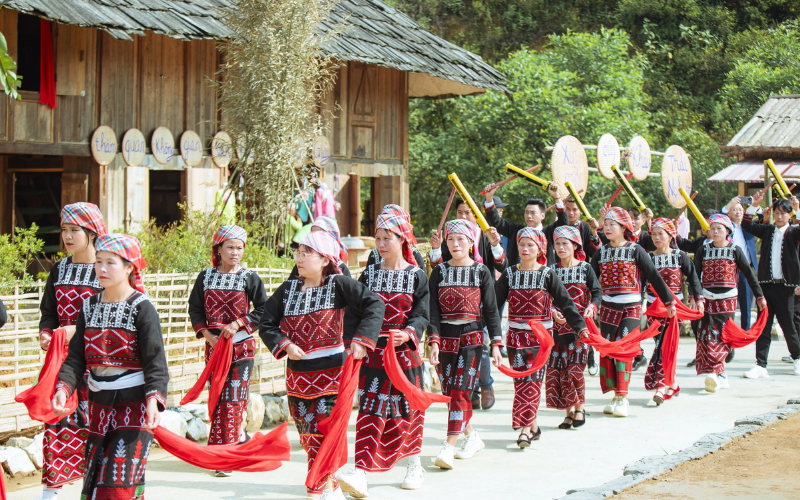
The family unit stands as the paramount nucleus of ethnic life in Sapa. Multigenerational households are a ubiquitous phenomenon, fostering a formidable sense of community and reciprocal support, where elders are accorded profound deference for their accumulated wisdom and lived experiences, fulfilling a pivotal role in the transmission of highland traditions and ancestral knowledge.
The rhythm of community life
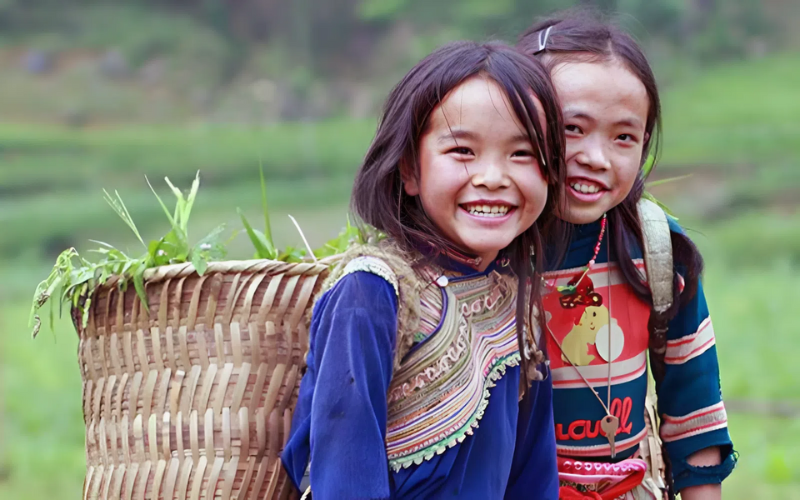
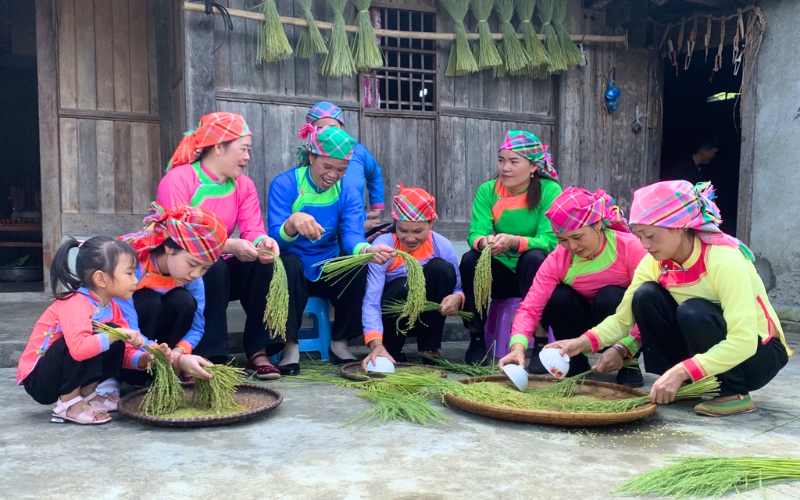
Children frequently partake in daily chores from a tender age, thereby acquiring practical proficiencies and internalizing the virtues of diligence and cooperation, echoing the communal values ingrained in the daily life in Northern highlands. The unassuming yet profoundly meaningful routines, from preparing meals over an open hearth to congregating for storytelling, cultivate a palpable sense of warmth and authenticity that is quintessentially characteristic of Sapa culture.
Festivals and rituals rooted in daily life
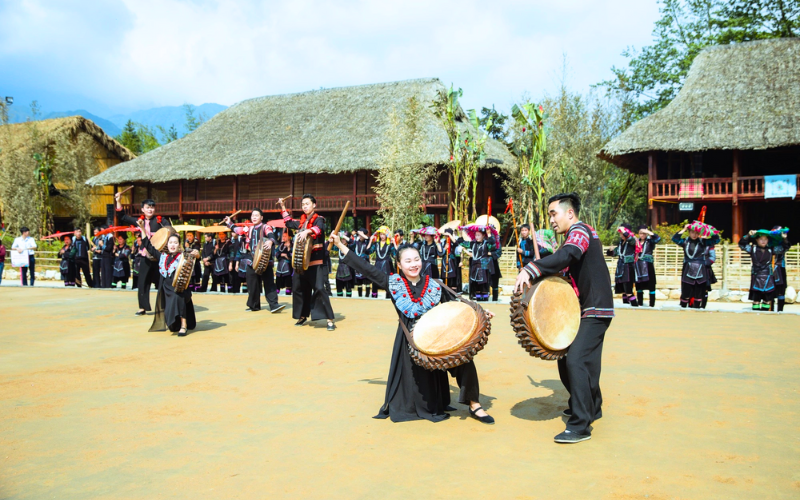
Festivals and rituals constitute vivacious expressions of ethnic traditions in Sapa, deeply interwoven with the agrarian calendar and indigenous spiritual beliefs. They function not only as jubilant celebrations but also as pivotal communal convocations that unequivocally reinforce social cohesion and cultural identity, offering a vibrant glimpse into the soul of Sapa culture.
Ceremonies of passage and belief
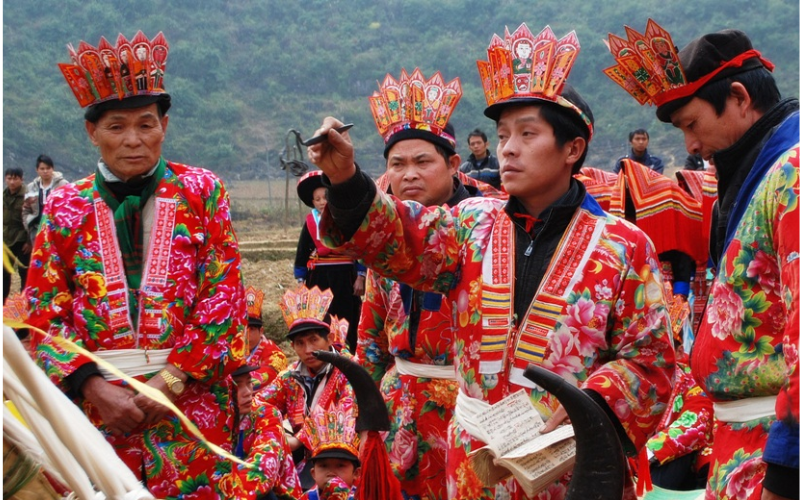
The Red Dao’s “cấp sắc” (coming-of-age) ceremony stands as a profoundly significant ritual, commemorating a young man’s transition into adulthood and his formal acceptance into the spiritual fabric of the community. These events, replete with symbolism and historical resonance, offer a captivating glimpse into the spiritual and communal dimensions of Sapa culture, serving as potent reminders of the enduring potency of Sapa heritage.
A glimpse into Sapa’s highland traditions and heritage
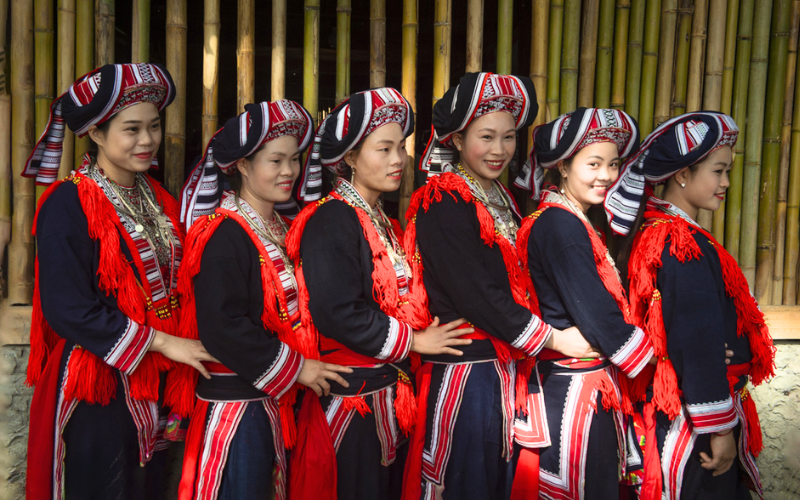
Sapa heritage is a rich tapestry of customs, beliefs, and artistic expressions, passed down through generations. These highland traditions define ethnic identity and offer insights into their worldview and resilience, forming the core of Sapa culture. Understanding these facets is crucial for a holistic appreciation of Sapa culture, recognizing the profound connection between people and land.
Clothing and textile traditions
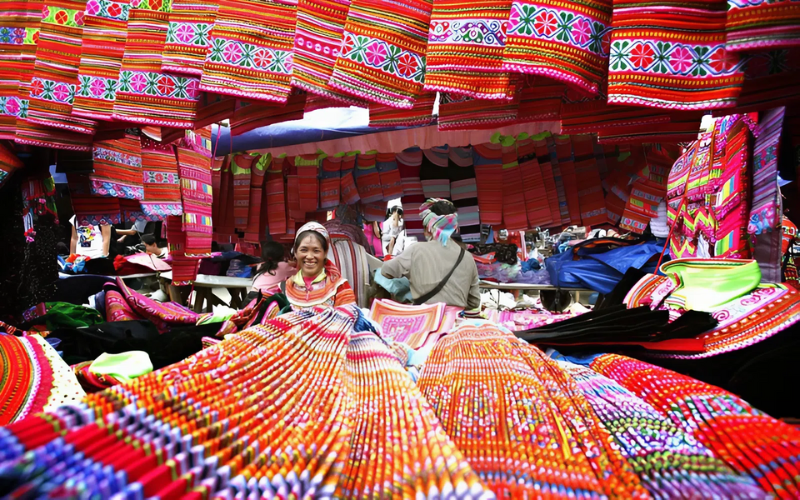
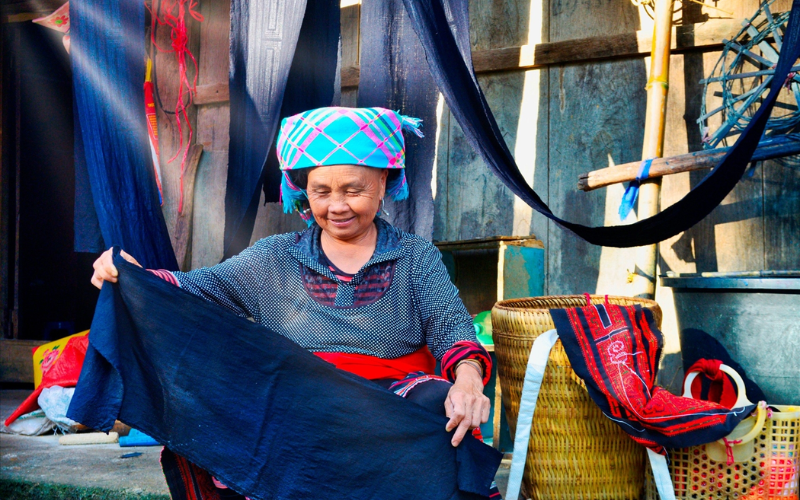
Perhaps one of the most immediately recognizable facets of Sapa culture is the breathtaking traditional attire donned by its ethnic groups. Each distinct group proudly exhibits unique designs, color palettes, and intricate embellishments, which eloquently reflect their identity and historical trajectory, from the indigo-dyed garments of the Hmong to the vibrant embroidered robes of the Red Dao.
Folk beliefs and spiritual practices
These traditional garments are not merely articles of clothing; they are veritable wearable art, often requiring months of painstaking labor to create, and are profoundly imbued with cultural significance. They are a powerful visual representation of Sapa ethnic minority culture and an irrefutable testament to the unparalleled skill and artistry of the women who craft them, offering a silent narrative of Sapa culture.
Cultural heritage of Sapa people: A living legacy
The cultural heritage of Sapa people is dynamic, constantly evolving while retaining core values. Narratives of Sapa culture are whispered by breezes, etched in terraces, and vibrant in textiles, showcasing a living heritage.
This resilience in adapting to modern influences while preserving ancient customs defines Sapa culture, a testament to the strong identity and determination of its people.
Intergenerational transmission of culture
The perpetuation of Sapa culture is profoundly reliant upon the intergenerational transmission of both esoteric knowledge and practical skills. Children assimilate traditional crafts, sophisticated farming methodologies, and oral histories from their parents and esteemed grandparents, ensuring that this vital cultural knowledge is passed down.
Modern challenges to traditional life
Whilst Sapa culture thrives with inherent vitality, it nonetheless confronts substantial challenges in the contemporary era. Tourism, despite its undeniable economic benefits, simultaneously poses a palpable risk to the intrinsic authenticity of ethnic traditions in Sapa, leading to potential commercialization or dilution of genuine practices.
Modern challenges to traditional life
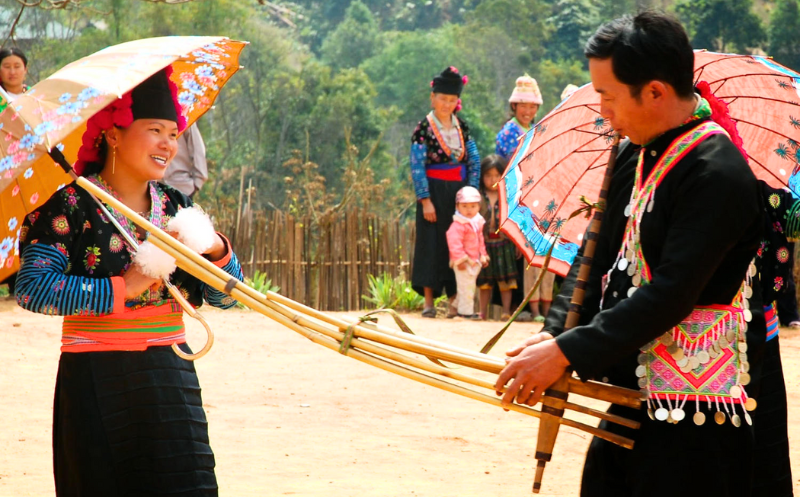
Economic pressures can also inexorably draw younger generations away from their ancestral villages and traditional livelihoods in pursuit of perceived opportunities within burgeoning urban centers. Furthermore, the increasing omnipresence of modern technology can, at times, inadvertently eclipse the profound significance of traditional storytelling and communal gatherings, challenging the very essence of daily life in Northern highlands.
Preserving Sapa culture for future generations
The future of Sapa culture hinges on conscious efforts to preserve its unique heritage. Sustainable tourism that prioritizes community involvement and respect for customs is paramount, ensuring fair compensation and genuine cultural exchange.
Educating visitors about responsible tourism mitigates negative impacts, fostering authentic interactions that benefit both hosts and guests, thereby sustaining the rich tapestry of Sapa culture for years to come.
Supporting authentic cultural expressions
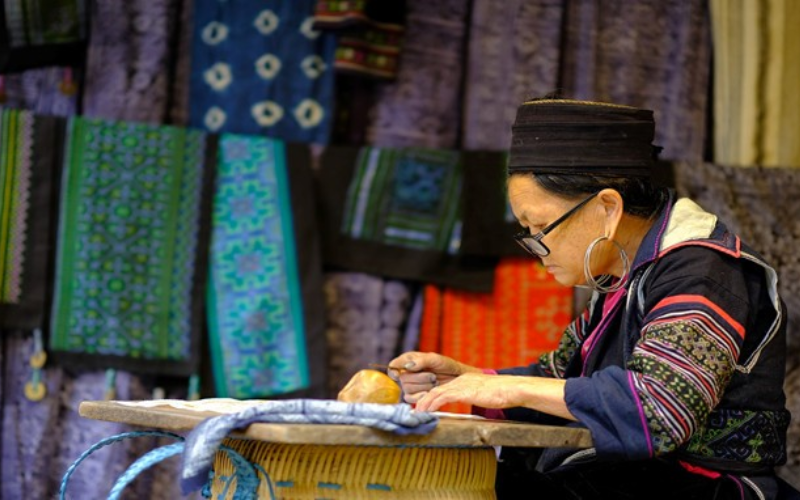
Providing robust support to local artisans and entrepreneurial ventures that meticulously uphold traditional craft techniques empowers these communities to steadfastly perpetuate their invaluable heritage. Initiatives that help market authentic handcrafted goods, rather than mass-produced imitations, are vital for economic sustainability and cultural pride within Sapa ethnic minority culture.
Education as a bridge to the future
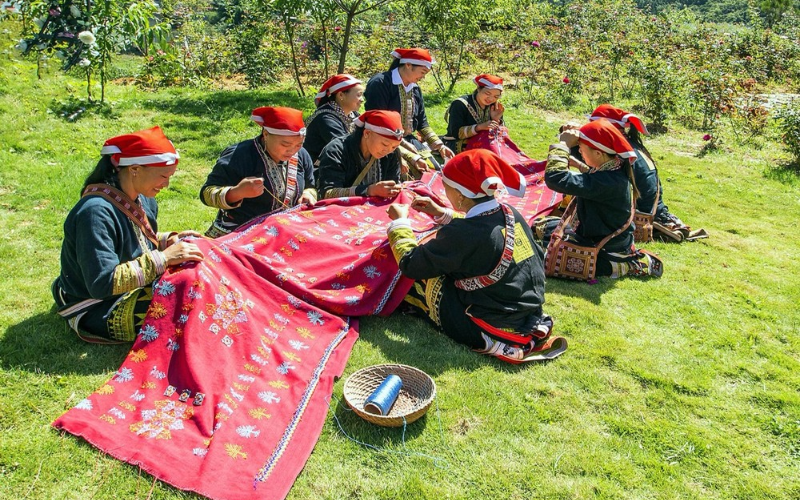
Local initiatives documenting and reviving traditional practices are vital. Empowering ethnic communities to be custodians of their own Sapa culture ensures authenticity. Education integrating traditional knowledge with modern curriculum helps younger generations appreciate their roots while preparing for the future.
Ultimately, preserving Sapa culture acknowledges these communities’ invaluable contribution to human diversity. By understanding and respecting the cultural heritage of Sapa people, we ensure the captivating stories of Sapa culture continue to be told, allowing their vibrant ethnic life and profound highland traditions to flourish in the Northern highlands. The indomitable spirit of Sapa culture stands as an eloquent testament to its people’s strength and beauty.
Related Articles
Discover Montmartre Paris – Art, History, and Romantic Charm

Sapa history uncovered: From colonial hill station to booming tourist town


